

Hinsdale Lawn Seeding Services
Choose our expert lawn seeding services in Hinsdale for lush, healthy grass that thrives all season long—our proven methods ensure even coverage, strong root development, and a beautiful yard you’ll love.
Get a Free QuoteOur Hinsdale Landscaping & Yard Care Services
When to Schedule Lawn Seeding in Hinsdale, IL – Seasonal Guide
In Hinsdale, IL, the best times to schedule lawn seeding are early fall and late spring, when temperatures are moderate and rainfall is more consistent. The region’s climate, with its cold winters and warm, humid summers, means that seeding in September or early October allows new grass to establish before the first frost, while late April to early May offers another window before summer heat sets in. Neighborhoods near Katherine Legge Memorial Park and Robbins Park often experience microclimates due to mature tree canopies and varying soil types, which can influence the ideal seeding schedule.
Local factors such as the risk of late spring frosts, summer droughts, and the prevalence of clay-heavy soils in areas like The Lane and Woodlands neighborhoods should be considered. Additionally, municipal watering restrictions—especially during peak summer months—can impact the success of new seed. For up-to-date information on local regulations and seasonal advisories, consult the Village of Hinsdale Official Website.
Local Factors to Consider for Lawn Seeding in Hinsdale
- Tree density and shade coverage, especially in older neighborhoods
- Soil composition (clay, loam, or sandy soils)
- Average precipitation and risk of drought
- Frost dates and temperature fluctuations
- Terrain and drainage patterns
- Municipal watering restrictions and permit requirements
- Proximity to parks or wooded areas that may affect sunlight and moisture
Benefits of Lawn Seeding in Hinsdale
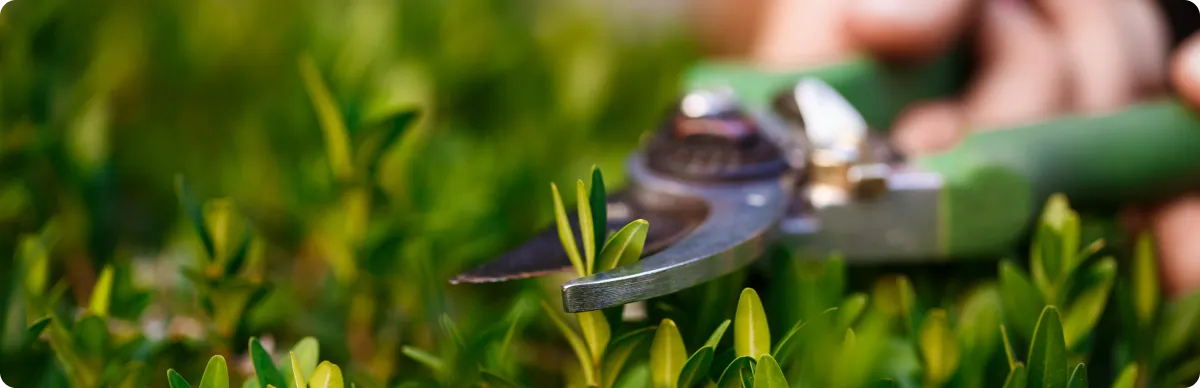
Thicker, Healthier Lawns
Improved Curb Appeal
Weed and Pest Resistance
Customized Seed Blends
Professional Expertise
Cost-Effective Lawn Solutions
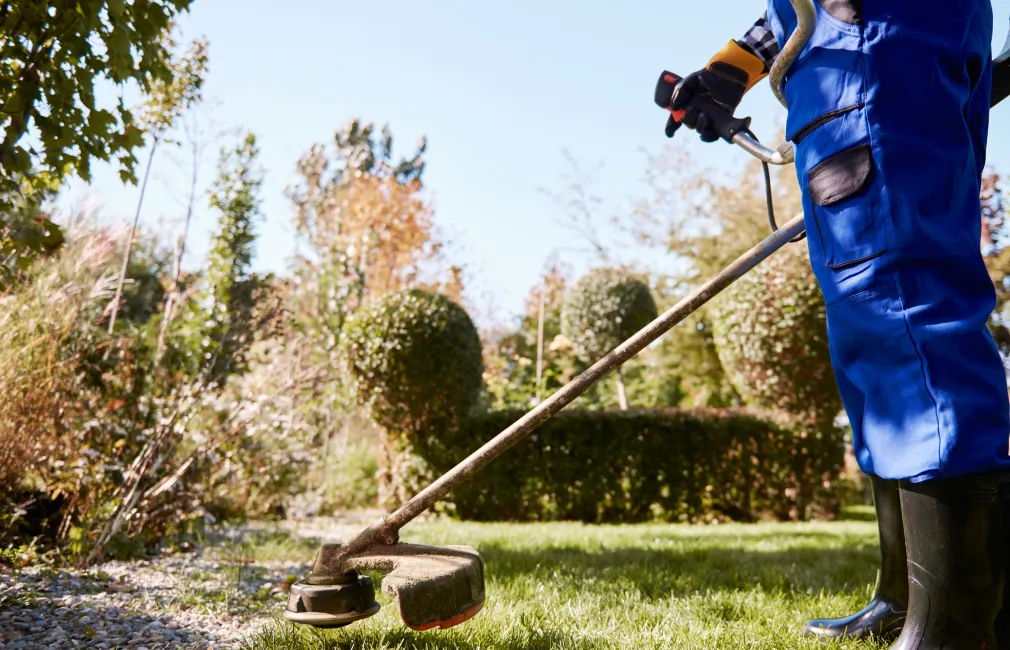
Hinsdale Lawn Seeding Types

Overseeding
-
Slit Seeding
-
Hydroseeding
-
Broadcast Seeding
-
Power Seeding
-
Spot Seeding
-
Dormant Seeding
Our Lawn Seeding Process
Site Evaluation
Soil Preparation
Seed Selection
Seeding Application
Watering and Maintenance
Why Choose Hinsdale Landscape Services

-
Hinsdale Homeowners Trust Us
-
Expert Lawn Maintenance
-
Reliable Seasonal Cleanup
-
Competitive Pricing
-
Professional Team
-
Satisfaction Guarantee
-
Personalized Service
Contact Hinsdale's Department of Public Works for Seed Packaging, Mulch Materials & Seeding Debris Disposal
Proper disposal of seed packaging, mulch materials, and seeding debris is essential for environmental compliance and community cleanliness in Hinsdale. Residents should utilize the municipal yard waste collection program for straw mulch and organic debris, ensuring all materials are placed in biodegradable paper bags or bundled for loose collection as required by local ordinance. Plastic seed containers should be recycled through the village's curbside recycling program, while paper seed bags may be included with yard waste. Failed seeding debris and excess organic material must not be disposed of in regular trash due to the Illinois yard waste landfill ban. For large projects or significant debris, the Hinsdale Transfer Station provides additional disposal options. For detailed procedures and collection schedules, contact:
Hinsdale Department of Public Works
225 Symonds Drive, Hinsdale, IL 60521
Phone: (630) 789-7041
Official Website: Public Services & Engineering Department
Soil Testing & Preparation Requirements for Hinsdale's Prairie Clay & Glacial Till Soils
Hinsdale's soils are predominantly classified as prairie clay and glacial till, with common series such as Drummer and Elliott, known for their heavy clay content, moderate to poor drainage, and slightly alkaline pH (typically 6.5–7.5). These characteristics can impede seed germination and root development if not properly addressed. Before seeding, residents are encouraged to submit soil samples to the University of Illinois Extension Plant Clinic for analysis of pH, organic matter, and nutrient levels. Aim for a pH of 6.3–6.8 for optimal cool-season grass growth. Amendments may include:
- Lime or sulfur to adjust pH as recommended by test results
- Incorporation of 2–4 inches of compost into the top 6–8 inches to improve clay structure and organic content
- Core aeration or shallow tillage to relieve compaction, especially in high-traffic or construction-impacted areas
- Installation of subsurface drainage or grading to address persistent wetness in low-lying sites
For further guidance on soil testing and amendment, consult:
University of Illinois Extension Plant Clinic
https://extension.illinois.edu/plant-clinic
Recommended Grass Seed Varieties for Hinsdale's Illinois Climate Zone 5b
Hinsdale is located in USDA Hardiness Zone 5b, experiencing cold winters and hot, humid summers. Cool-season grasses are best suited for these conditions, with specific mixes recommended for different site challenges:
- Full Sun: 40% Kentucky bluegrass (e.g., 'Bewitched'), 40% perennial ryegrass ('Pizzazz'), 20% tall fescue ('Prosperity')
- Partial Shade: 50% fine fescue, 30% perennial ryegrass, 20% tall fescue
- High Traffic: 50% perennial ryegrass, 30% tall fescue, 20% Kentucky bluegrass
- Clay Soils: 60% tall fescue, 25% fine fescue, 15% perennial ryegrass
- Drought Tolerance: 70% tall fescue, 20% fine fescue, 10% perennial ryegrass
Tall fescue cultivars such as 'Prosperity' offer deep rooting and drought resistance, while Kentucky bluegrass provides dense turf for sun-exposed areas. Fine fescues excel in shade and tolerate lower fertility. Always select certified seed free from invasive species and noxious weeds, as required by the Illinois Department of Agriculture.
Hinsdale Environmental Compliance Requirements for Seeding Near Protected Areas & Slope Stabilization
Seeding projects near streams, wetlands, or conservation lands in Hinsdale must comply with state and federal environmental regulations. Buffer zones are required along water bodies to prevent sediment and nutrient runoff, and erosion control measures such as straw mulch, silt fences, or compost filter socks are mandatory on slopes and disturbed soils. Coordination with the Illinois Environmental Protection Agency and Illinois Department of Natural Resources is necessary for work near protected habitats. Wildlife breeding season (April–July) may restrict certain activities. Only certified, non-invasive seed is permitted. For local compliance questions, contact:
Hinsdale Community Development Department
19 E. Chicago Avenue, Hinsdale, IL 60521
Phone: (630) 789-7030
Official Website: Community Development Department
Optimal Seeding Windows & Weather Timing for Hinsdale's Growing Season
The most successful lawn establishment in Hinsdale occurs during the late summer to early fall window (late August to mid-September), when soil temperatures are 55–65°F for ryegrass and fescue, and 60–70°F for Kentucky bluegrass. Spring seeding (mid-April to early May) is also possible but may face competition from weeds and unpredictable rainfall. According to National Weather Service Chicago, the average last frost is in late April, and the first frost typically arrives in mid-October. Avoid seeding during hot summer periods or before heavy rain events to prevent seed washout and poor germination. Monitor local forecasts and soil temperatures for optimal timing.
Hinsdale Water Management Guidelines & Restrictions for New Lawn Irrigation
Newly seeded lawns require consistent moisture for germination and establishment. In Hinsdale, light, frequent irrigation (2–3 times daily for 5–10 minutes) is recommended during the first two weeks, gradually transitioning to deeper, less frequent watering. To conserve water and comply with local restrictions, irrigate only between 6–10 AM and 6–10 PM, following the odd/even address schedule from May 15 to September 15. Early morning watering reduces evaporation and disease risk. Overwatering should be avoided, especially on clay soils prone to runoff. For current restrictions and water conservation tips, contact:
Hinsdale Water Services
225 Symonds Drive, Hinsdale, IL 60521
Phone: (630) 789-7051
Official Website: Water Services
Post-Seeding Erosion Control in Compliance with Hinsdale's NPDES Stormwater Program
To prevent sediment runoff from newly seeded areas, Hinsdale requires compliance with the NPDES stormwater program under the EPA NPDES and Illinois EPA. Immediate mulching with straw or erosion control blankets is critical, especially on clay soils and slopes. Temporary barriers such as silt fences or compost filter socks should be installed to intercept runoff. Prompt stabilization of disturbed soil is required after seeding, and weather forecasts should be monitored to avoid seeding before heavy rain. For large projects, a stormwater permit may be necessary. For more information, consult:
Hinsdale Department of Public Works
225 Symonds Drive, Hinsdale, IL 60521
Phone: (630) 789-7041
Official Website: Public Services & Engineering Department
What Neighborhoods Do We Serve Throughout Hinsdale, IL?
Hinsdale features diverse neighborhoods, each with unique seeding challenges:
- Southeast Hinsdale: Dense tree canopy, heavy clay soils, and moderate drainage require shade-tolerant, clay-adapted seed mixes and core aeration.
- Woodlands: Rolling terrain with loess over clay, partial shade, and variable drainage; compost amendment and erosion control are essential.
- Golfview Hills: Proximity to Salt Creek, floodplain soils, and periodic wetness; select tall fescue mixes and ensure buffer compliance.
- Ruth Lake Area: Elevated sites with compacted urban fill, full sun, and high traffic; prioritize compaction relief and drought-tolerant varieties.
- Downtown Hinsdale: Small lots, urban fill, and construction-impacted soils; focus on soil structure improvement and certified seed.
- Fullersburg: Near Fullersburg Woods, sandy loam pockets, and river influence; monitor for invasive species and comply with buffer regulations.
- North Hinsdale: Higher elevation, moderate clay, and sun exposure; standard cool-season mixes with compost amendment perform well.
Each area benefits from tailored soil preparation, seed selection, and timing to maximize establishment success.
Hinsdale Municipal Ordinances for Seeding Equipment Operation & Soil Preparation Activities
Lawn seeding and soil preparation in Hinsdale are subject to municipal ordinances regulating equipment operation hours, noise, and permitting. Power equipment may only be operated between 7:00 AM and 7:00 PM on weekdays and 9:00 AM to 5:00 PM on weekends. Commercial services must be licensed, and permits are required for large-scale grading or soil disturbance. Compliance with local noise ordinances and dust control measures is mandatory. For permit applications and ordinance details, contact:
Hinsdale Building Division
19 E. Chicago Avenue, Hinsdale, IL 60521
Phone: (630) 789-7030
Official Website: Building Division / Building Permits
For further information on sustainable lawn establishment, soil science, and environmental compliance, residents are encouraged to consult the USDA Web Soil Survey, University of Illinois Extension, Illinois Department of Natural Resources, and U.S. Environmental Protection Agency, Region 5.