

Hinsdale Lawn Installation Services
Choose our expert lawn installation for a seamless, vibrant transformation—enjoy a healthy, beautiful yard that enhances your home's value and curb appeal, all backed by our commitment to quality and customer satisfaction.
Get a Free QuoteOur Hinsdale Landscaping & Yard Care Services
When to Schedule Lawn Installation in Hinsdale, IL – Seasonal Guide
Choosing the right time for lawn installation in Hinsdale, IL is essential for achieving a healthy, resilient yard that thrives year-round. Hinsdale’s climate, with its cold winters and warm, humid summers, means that the best windows for new lawn installation are typically in late spring (after the last frost) or early fall (when soil temperatures remain warm but air temperatures are milder). These periods allow grass seed or sod to establish strong roots before facing the extremes of summer heat or winter freeze.
Local factors such as the proximity to Salt Creek, the mature tree canopy in neighborhoods like The Woodlands, and the varying soil types found throughout the village can all influence the success of your lawn installation. It’s also important to consider municipal watering restrictions, which are in effect from mid-May to mid-September, and to check for any permit requirements or guidelines on the Village of Hinsdale Official Website.
Local Factors to Consider for Lawn Installation in Hinsdale
- Tree density and shade coverage, especially in areas near Robbins Park or Burns Field
- Soil composition and drainage, which can vary between historic districts and newer developments
- Average precipitation and risk of summer droughts
- Frost dates and the timing of spring and fall temperature changes
- Municipal watering restrictions and permit requirements
- Terrain and slope, particularly in properties near the western edge of town
- Proximity to mature landscaping or protected green spaces
Benefits of Lawn Installation in Hinsdale
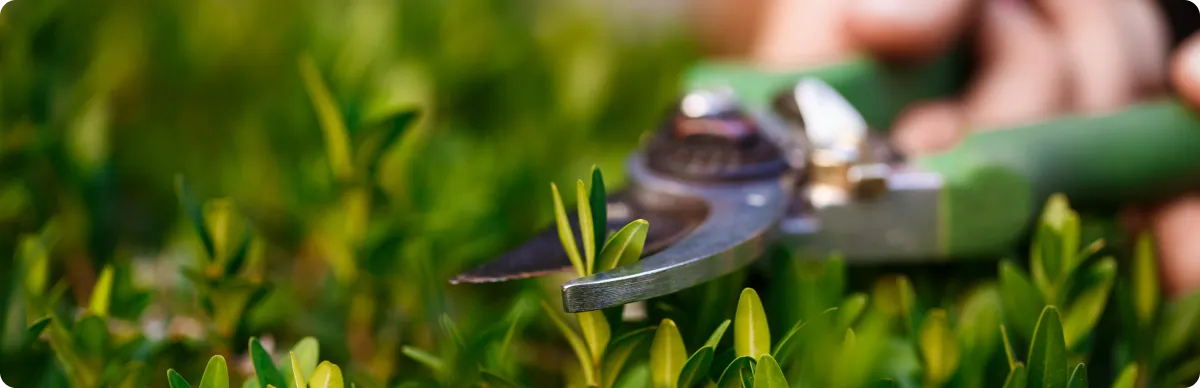
Expert Local Landscaping Team
Premium Quality Sod and Seed
Fast and Reliable Installation
Customized Lawn Solutions
Eco-Friendly Landscaping Practices
Comprehensive Aftercare Support
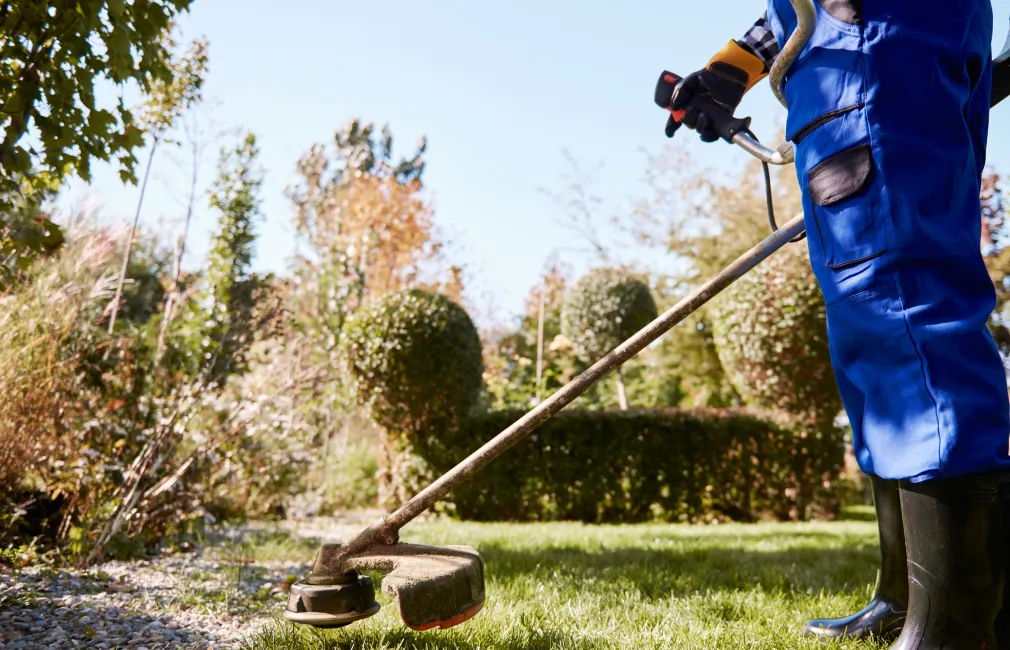
Hinsdale Lawn Installation Types

Sod Installation
-
Hydroseeding
-
Artificial Turf Installation
-
Native Grass Planting
-
Overseeding
-
Soil Preparation and Grading
-
Erosion Control Solutions
Our Lawn Installation Process
Site Evaluation
Soil Preparation
Lawn Installation
Watering and Initial Care
Why Choose Hinsdale Landscape Services

-
Hinsdale Homeowners Trust Us
-
Expert Lawn Maintenance
-
Reliable Seasonal Cleanup
-
Competitive Pricing
-
Professional Team
-
Satisfaction Guarantee
-
Personalized Service
Contact Hinsdale's Department of Public Works for Site Preparation Debris & Installation Material Management
Proper management of site preparation debris and installation materials is essential for any lawn installation project in Hinsdale. The Village enforces the Illinois yard waste landfill ban, requiring all vegetative debris from lawn removal to be disposed of through seasonal yard waste collection in biodegradable paper bags or via loose collection, as outlined by local regulations. Bulk soil and rock must be transported to the Transfer Station or Recycling Center, with adherence to posted operating hours, permit requirements, and applicable fees. For large-scale projects, coordination with the Department of Public Works is necessary to schedule topsoil and amendment deliveries, secure equipment staging permits, and arrange for temporary lane closures to protect municipal infrastructure and ensure public safety. Advance notification to neighbors, utility coordination through JULIE (811), and integration with municipal landscaping initiatives are also required for seamless project execution.
Hinsdale Department of Public Works
225 Symonds Drive, Hinsdale, IL 60521
Phone: (630) 789-7041
Official Website: Public Services & Engineering Department
Comprehensive Site Assessment & Soil Testing Requirements for Hinsdale's Prairie Clay & Glacial Till Soils
A thorough site assessment is the foundation of successful lawn installation in Hinsdale, where prairie clay and glacial till soils predominate. Mandatory soil testing through the University of Illinois Extension Plant Clinic provides critical data on pH (often 7.0-7.5, requiring sulfur to lower to 6.3-6.8 for cool-season grasses), nutrient levels, organic matter (target 3-5%), and compaction. The USDA Web Soil Survey identifies heavy clay soils with moderate to poor drainage, necessitating amendment and drainage planning. Site evaluation includes vegetation assessment, topographic survey for grading, and utility location via JULIE (811) with at least 48 hours' notice. Infrastructure integration—such as drainage systems and irrigation—must be planned, with access routes and sun/shade patterns considered for optimal species selection.
Hinsdale Environmental Compliance Requirements for New Lawn Installation Near Protected Areas
Environmental stewardship is a core requirement for lawn installation near Hinsdale’s streams, wetlands, and conservation areas. Coordination with the Illinois Environmental Protection Agency and Illinois Department of Natural Resources is mandatory for projects near sensitive habitats, with permits required for work within buffer zones. Seasonal restrictions may apply during wildlife breeding periods (April–July). Erosion control measures—such as silt fences and compost filter socks—must be installed to stabilize exposed soils, especially in clay-rich areas prone to runoff. Protection of mature trees and compliance with local environmental initiatives are essential, and all material staging must prevent runoff contamination. Advance consultation with environmental compliance officers and documentation for larger projects ensure regulatory adherence.
Professional Installation Methods: Sod vs. Seed vs. Hydroseeding in Hinsdale's Climate Zone 5b
Selecting the appropriate installation method is crucial for Hinsdale’s USDA Hardiness Zone 5b, characterized by hot summers and cold winters.
- Sod Installation: Offers immediate coverage and erosion control, with costs ranging from $0.50–$1.50 per sq ft. Sod must be installed within 24–48 hours of delivery, with seams tightly joined and immediate irrigation to ensure root contact in clay soils. Best for slopes and high-visibility areas.
- Seeding: More economical ($0.10–$0.30 per sq ft) and allows for custom species mixes, but requires 4–8 weeks for establishment and is sensitive to summer heat. Seedbed preparation must address clay compaction, and mulching is recommended for moisture retention.
- Hydroseeding: Moderately priced ($0.20–$0.50 per sq ft), ideal for large or sloped areas, and provides excellent erosion control. Application involves a slurry of seed, mulch, and fertilizer, with immediate irrigation required.
Species selection should prioritize Kentucky bluegrass, perennial ryegrass, tall fescue, and fine fescue, all suited to Illinois clay soils and climate extremes. Professional certification, installation verification, and establishment monitoring are standard quality control measures.
Hinsdale Building Department Permits for Grading, Drainage & Infrastructure Modifications
Lawn installation projects involving significant grading, drainage, or site alterations in Hinsdale require permits from the Building Department. Permits are typically needed for earthwork exceeding 25–50 cubic yards or disturbing large areas, and must comply with zoning ordinances regarding setbacks and impervious surface limits (often 70–80%). The permitting process includes site plan and grading plan submission, drainage calculations, and species specifications. Coordination with the Planning Department and Fire Department ensures emergency access and infrastructure integration. Right-of-way and utility permits may be necessary for work near municipal property or underground systems, and compliance is verified through inspections and documentation.
Hinsdale Building Department / Community Development
19 E Chicago Avenue, Hinsdale, IL 60521
Phone: (630) 789-7030
Official Website: Community Development Department
Hinsdale Water Management Coordination for Irrigation System Installation & New Lawn Establishment
Effective water management is vital for new lawn establishment in Hinsdale. Coordination with the Water Department is required for irrigation system installation, including water service upgrades, backflow prevention device installation, and annual testing (mandatory in Illinois). Irrigation design must account for sun/shade zoning, efficient sprinkler selection, and controller programming for seasonal adjustments. Rain sensors are often required by ordinance to prevent overwatering. During establishment, light, frequent watering (2–3 times daily for 2–4 weeks) is critical, especially in hot summers. Transition to deeper, less frequent watering supports root development and drought tolerance. Permits and inspections ensure compliance with cross-connection control and water conservation standards.
Hinsdale Water Services
225 Symonds Drive, Hinsdale, IL 60521
Phone: (630) 789-7051
Official Website: Water Services
Post-Installation Stormwater Management & NPDES Compliance in Hinsdale
Stormwater management is a regulatory priority for lawn installation projects in Hinsdale, especially those disturbing over 1,000 square feet. Compliance with the Clean Water Act and EPA NPDES requirements under the Illinois EPA MS4 program mandates erosion and sediment controls, such as silt fences and inlet protection, to prevent runoff into storm drains. Construction best practices include equipment staging away from water bodies, daily debris cleanup, and immediate revegetation of exposed soils. Established lawns improve infiltration and reduce runoff, supporting Hinsdale’s green infrastructure goals. Regular inspections and documentation of erosion control effectiveness are required during the establishment period.
Soil Amendment Standards, Base Preparation & Professional Installation Techniques
Improving Hinsdale’s clay soils is essential for sustainable lawn establishment. Best practices include:
- Incorporating 2–4 inches of compost or aged manure into the top 6–8 inches of soil to enhance structure and drainage
- Applying lime or sulfur based on soil test results to achieve a pH of 6.3–6.8
- Using starter fertilizer with balanced N-P-K ratios
- Relieving compaction through mechanical tillage or core aeration
Proper grading (minimum 1–2% slope away from structures) and subsurface drainage (tile systems, French drains) are critical for poorly drained sites. All work should be performed by certified landscape contractors using appropriate equipment, with liability insurance and bonding as required for municipal projects. Quality assurance includes verification of amendment incorporation and drainage functionality.
Post-Installation Establishment Care & Long-Term Maintenance Planning in Hinsdale
Successful lawn establishment in Hinsdale requires method-specific care protocols:
- Sod: Immediate deep watering to ensure root contact with clay soils
- Seed: Light, frequent watering 2–3 times daily until germination
- Fertilization: Apply 4–6 weeks post-installation
- First Mowing: When grass reaches 3–4 inches, cut to 2.5–3 inches, removing no more than 1/3 of blade height
Monitoring includes root development checks, germination rate assessment, and pest/disease surveillance. Fall installations benefit from cooler temperatures and rainfall, while spring projects should wait until soil temperatures reach 50–55°F. Summer installations require increased irrigation and careful monitoring for heat stress. Transition to regular maintenance includes seasonal fertilization and integration with professional landscape management for long-term sustainability.
What Neighborhoods Do We Serve Throughout Hinsdale, IL?
Hinsdale features diverse neighborhoods, each presenting unique lawn installation considerations:
- Southeast Hinsdale: Historic district with mature trees, compacted clay soils, and strict preservation guidelines. Equipment access may be limited, and coordination with historic commissions is required.
- Woodlands: Characterized by larger lots, moderate clay content, and proximity to Salt Creek. Floodplain considerations and drainage integration are critical.
- Golfview Hills: Features smaller lots, high underground utility density, and HOA regulations. Clay soils require significant amendment, and alley access may restrict equipment size.
- Fullersburg: Near natural areas and wetlands, with poorly drained clay soils and conservation easements. Environmental permits and erosion controls are essential.
- Ruth Lake Area: Rolling topography, variable microclimates, and established irrigation infrastructure. Drainage and sun/shade patterns influence species selection.
- Downtown Hinsdale: Urban compacted soils, limited access, and strict municipal standards. Coordination with municipal programs and compliance with noise ordinances are required.
Each area requires tailored site assessment, regulatory compliance, and community engagement to ensure successful, sustainable lawn establishment.
Hinsdale Municipal Ordinances for Installation Equipment Operation & Commercial Service Standards
Hinsdale enforces municipal ordinances regulating equipment operation hours (typically 7:00 AM–7:00 PM on weekdays, with restrictions on weekends and holidays) and noise levels to minimize community disruption. Commercial service providers must maintain proper licensing, liability insurance, and bonding, especially for work on municipal property or right-of-way. Project coordination protocols require advance notification to neighbors, adherence to traffic control measures, and compliance with all local, state, and federal regulations. These standards ensure that lawn installation projects are conducted safely, professionally, and in harmony with Hinsdale’s community values and environmental goals.
For additional guidance, consult the University of Illinois Extension, U.S. Environmental Protection Agency, Region 5, and National Weather Service Chicago for up-to-date soil, environmental, and weather information relevant to lawn installation in Hinsdale.